
Blog
Magic Mushroom Laws Around the World 2027
Nov
Magic mushrooms have attracted growing attention worldwide because of their psychedelic properties, cultural history, and potential therapeutic applications. Their main psychoactive compound, psilocybin, has become an important subject of scientific research and legal discussions. However, the legal status of these mushrooms differs considerably from one country to another.
Understanding magic mushroom laws around the world can help explain how governments approach psychedelic substances, public health, medical research, and personal use. While some countries have introduced more flexible policies, others continue to enforce strict restrictions on possession, cultivation, and distribution.
This guide explores the legal landscape surrounding magic mushrooms, highlights differences between national regulations, and examines how changing attitudes toward psychedelics influence legislation.
Understanding Magic Mushrooms and Psilocybin
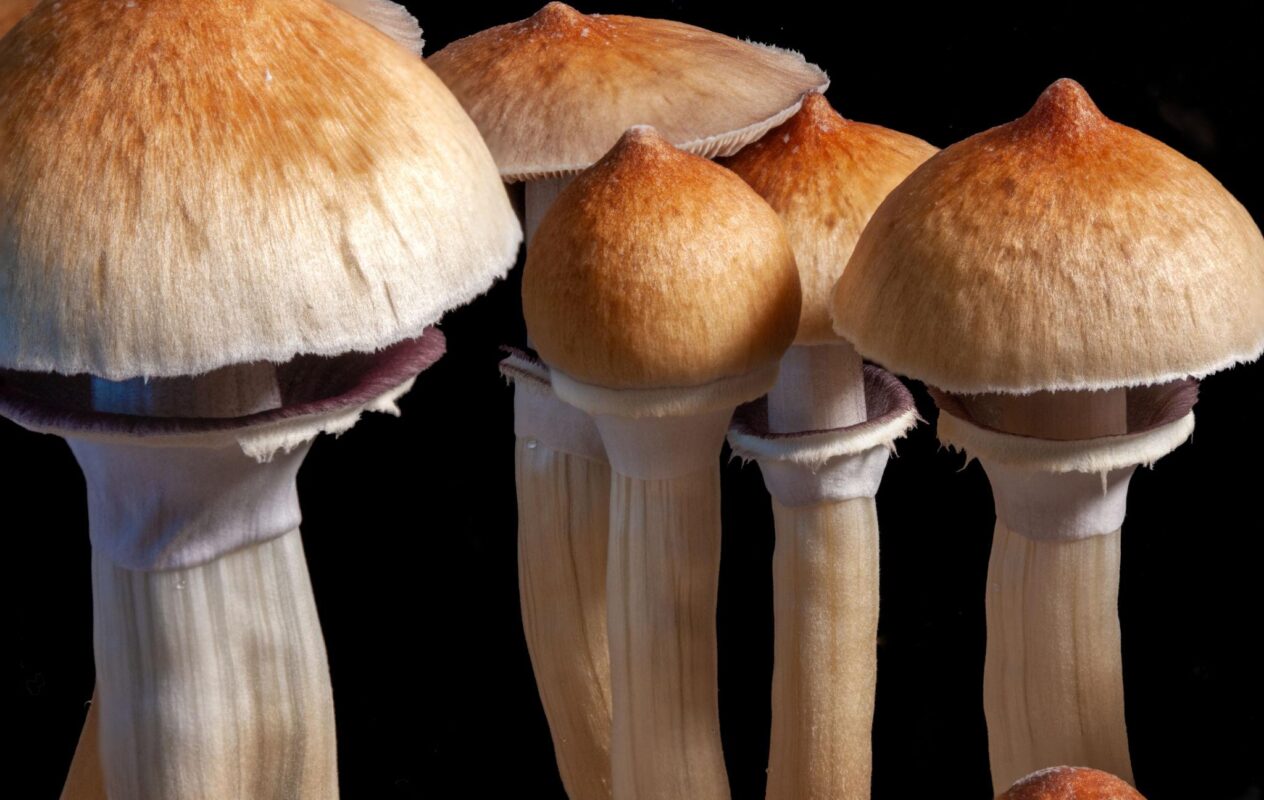
Magic mushrooms are naturally occurring fungi that contain psychoactive compounds, particularly psilocybin and psilocin. After consumption, psilocybin is converted into psilocin, which interacts with serotonin receptors in the brain and can produce changes in perception, mood, and thought processes.https://buychocolatebarsuk.co.uk/
These effects have made magic mushrooms a subject of interest in neuroscience and mental health research. Researchers are investigating their potential applications in controlled therapeutic settings, although further research and appropriate medical supervision remain important.
Despite their growing scientific recognition, magic mushrooms remain regulated substances in many parts of the world.
Psilocybin Legality: Why Does It Differ Between Countries?
Psilocybin legality varies because individual governments follow different approaches to drug regulation, public health, and medical research.
Some countries classify psilocybin as a controlled substance, making possession, production, and distribution illegal without specific authorization. Others distinguish between personal possession, commercial distribution, traditional practices, and approved scientific research.
International drug-control agreements also influence national policies. However, countries retain some flexibility when establishing their own enforcement systems and regulatory frameworks.
As a result, the legal status of magic mushrooms cannot be understood through a single global rule.
Magic Mushroom Laws Around the World
1. United States
In the United States, psilocybin is classified as a Schedule I controlled substance under federal law. This classification generally makes unauthorized possession, cultivation, and distribution illegal.
However, certain cities and states have introduced different approaches to enforcement and regulated access. Oregon, for example, established a licensed framework for supervised psilocybin services. Colorado has also introduced legal provisions for certain personal-use activities involving natural psychedelic substances.
These state and local developments do not make psilocybin universally legal across the country. Federal restrictions remain relevant.
2. Canada
In Canada, psilocybin is generally controlled under the Controlled Drugs and Substances Act. Unauthorized possession, production, and distribution are prohibited.
Nevertheless, certain exemptions may be granted for medical, scientific, or other authorized purposes. Health Canada has also provided pathways for eligible patients and professionals to access restricted substances under specific circumstances.
The country continues to experience discussions surrounding psychedelic-assisted therapy and potential changes to existing regulations.
3. Netherlands
The Netherlands has a distinctive approach to psychedelic fungi. Fresh and dried magic mushrooms are prohibited under Dutch law, but certain psilocybin-containing truffles remain legally available through specialist retailers.
These truffles are underground fungal structures known as sclerotia. Their legal treatment differs from that of mushrooms under Dutch legislation.
This distinction makes the Netherlands an interesting example of how specific legal definitions can influence the regulation of naturally occurring psychedelic substances.
4. United Kingdom
In the United Kingdom, psilocybin and psilocin are classified as Class A controlled drugs under the Misuse of Drugs Act 1971.
Unauthorized possession, production, and supply can result in serious legal consequences. The restrictions apply to magic mushrooms containing these substances.
Scientific research and certain authorized activities may be permitted under appropriate licensing arrangements.
5. Jamaica
Jamaica is widely recognised for its comparatively permissive approach to magic mushrooms. Psilocybin mushrooms are not generally subject to the same specific prohibitions found in many other countries.
As a result, mushroom-related retreats and businesses have developed on the island. However, this does not mean every activity involving psychedelics is automatically exempt from other applicable laws.
6. Portugal
Portugal is often mentioned in discussions about progressive drug policies. In 2001, the country decriminalised the personal possession of small quantities of drugs for personal use.
However, decriminalisation does not mean complete legalisation. Drug trafficking, unauthorised production, and commercial distribution remain subject to criminal restrictions.
Therefore, Portugal’s broader drug policy should not be interpreted as making magic mushrooms freely legal.
7. Brazil
Brazil has a complex regulatory approach to psychoactive substances. Psilocybin and psilocin are subject to specific controls, while the legal treatment of naturally occurring mushrooms can involve distinctions between listed substances and the fungi themselves.
Anyone examining the country’s regulations should consider the relevant substance-control lists and applicable laws rather than assuming that natural origin automatically means legal status.
International Laws and the Regulation of Psilocybin
International laws play an important role in shaping how countries regulate psychedelic substances.
The 1971 United Nations Convention on Psychotropic Substances established an international framework for controlling several psychoactive compounds. Psilocybin and psilocin are included in Schedule I of that convention.
However, the convention does not automatically make every mushroom containing these compounds illegal under identical national rules. Individual countries implement their international obligations through domestic legislation.
This distinction explains why the regulation of magic mushrooms differs across borders.
What Factors Influence Magic Mushroom Legislation?
Several considerations influence how governments develop and update psychedelic regulations.
1. Public health: Governments consider potential psychological risks, adverse reactions, and the need for appropriate safeguards.
2. Scientific research: New research into psilocybin-assisted therapy has encouraged discussions about medical access and controlled clinical applications.
3. Cultural traditions: Some communities have historical and cultural connections with psychedelic fungi, influencing how certain governments approach regulation.
4. Drug-control policies: National approaches to substance possession, distribution, and public safety can significantly affect legal classifications.
5. Medical regulation: Countries may establish separate pathways for approved research, clinical trials, and supervised therapeutic use.
Is the Legal Status of Magic Mushrooms Changing?
The legal landscape surrounding magic mushrooms continues to evolve. Scientific studies have increased interest in the potential therapeutic applications of psilocybin, particularly in controlled research environments.
At the same time, some governments and local authorities are reconsidering how psychedelic substances should be regulated.
However, changing public attitudes do not necessarily translate into immediate legal reforms. Existing restrictions remain in place in many jurisdictions, and proposed regulatory changes may take years to become law.
Conclusion
Magic mushroom laws around the world reflect a wide range of approaches to drug regulation, medical research, and public health. While some countries have introduced more flexible policies, others continue to classify psilocybin as a strictly controlled substance.
Understanding these differences requires looking beyond general discussions about decriminalisation or legalisation. National legislation, local regulations, medical exemptions, and international agreements all contribute to the overall legal picture.
Anyone researching or considering activities involving magic mushrooms should consult the current laws of the relevant jurisdiction, as legal restrictions and exemptions can differ significantly.
